

After the explosion at Reactor No. 4 at Chornobyl Nuclear Power Plant (CNPP) on April 26, 1986, an entire landscape was emptied almost overnight: cities were evacuated, buildings were abandoned and one of the most contaminated areas on Earth was sealed off from human life.
Chornobyl was supposed to be a place without a future.
However, over the decades that followed, something unexpected happened: forests returned, animals moved through abandoned settlements and rare birds nested in abandoned Soviet buildings.
Even Przewalski's horses established a lasting presence in the exclusion zone.
Then, in 2022, Russia's full-scale invasion reached the contaminated ground.
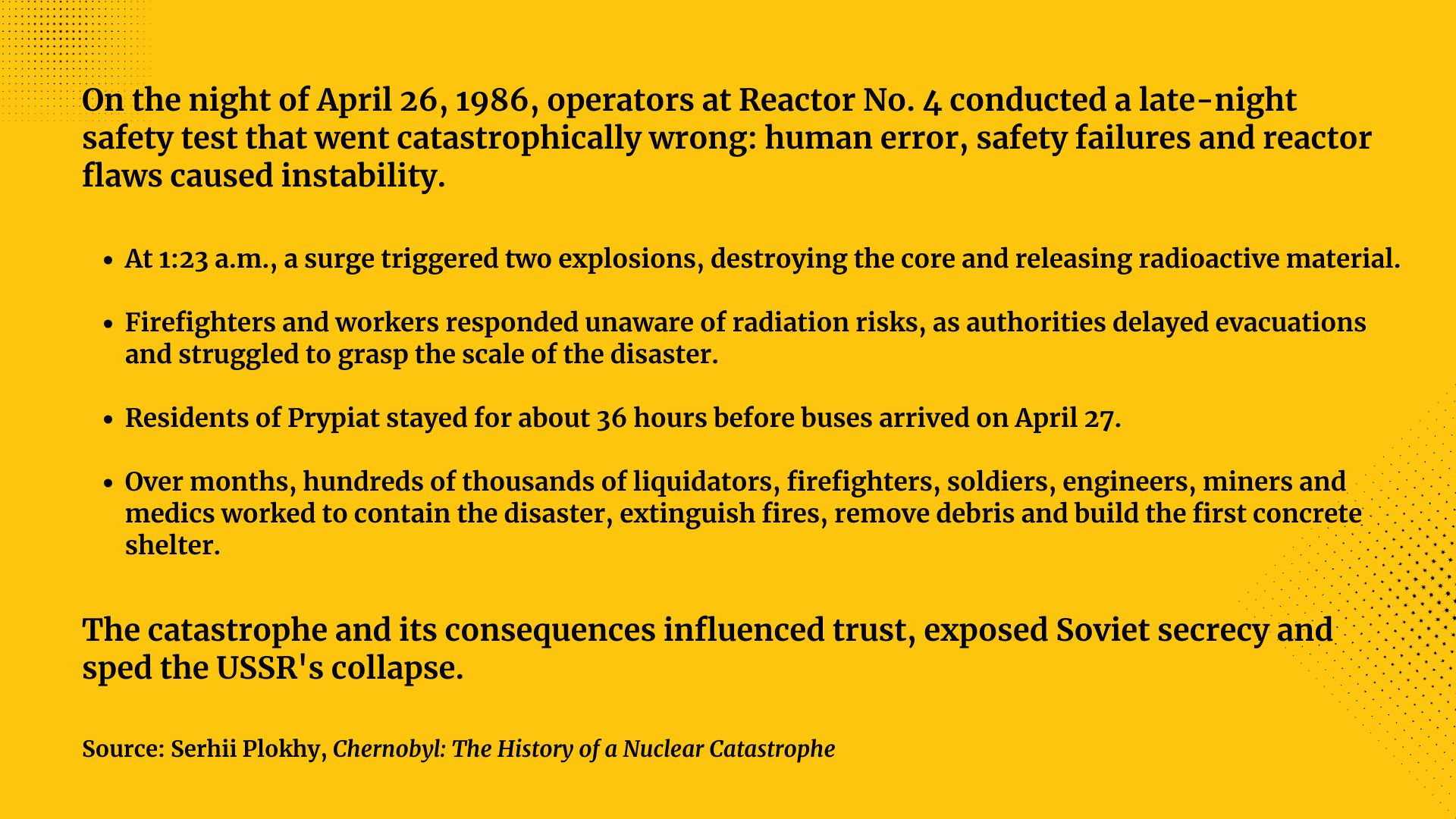
After the 1986 disaster, nearly 2,600 square kilometres were abandoned: farms disappeared, cities emptied and industry stopped almost overnight.
Long-term studies of the Chornobyl Radiation and Ecological Biosphere Reserve show that wolves, lynxes, elks, wild boars and brown bears have reappeared. Przewalski's horses, introduced in the late 1990s, not only survived but also adapted and became an integral part of the local ecosystem.
Bird species are there as well: black storks and white-tailed eagles settled in abandoned buildings and forests. In Prypiat, trees now grow through apartment blocks, roads and school floors, turning a Soviet city into a landscape reclaimed by vegetation.
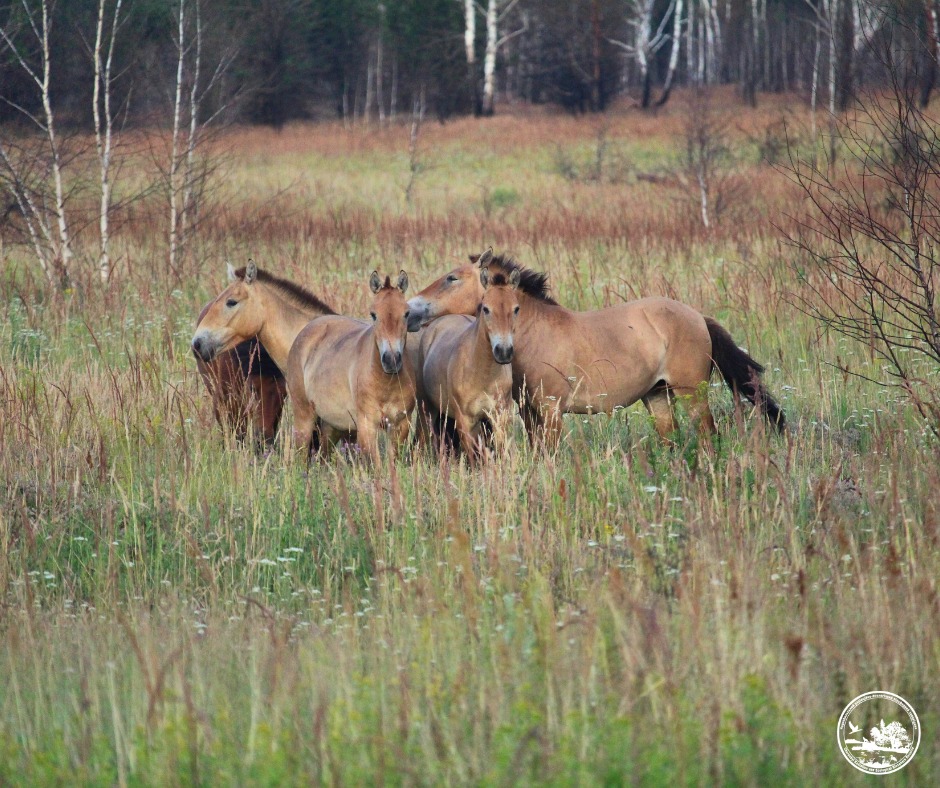
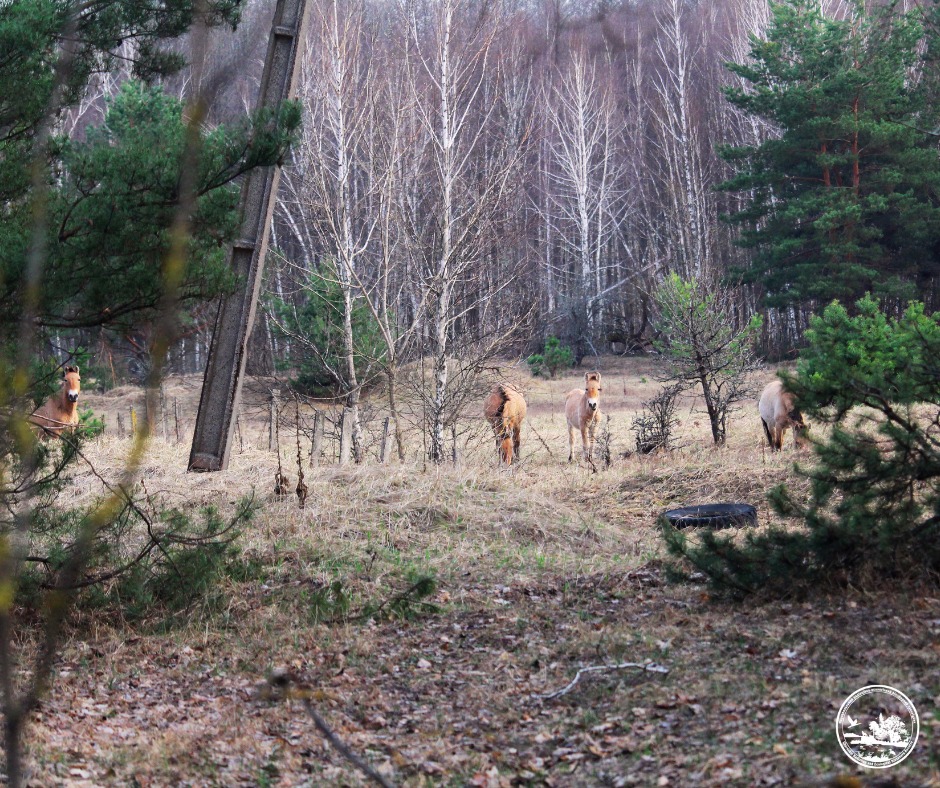
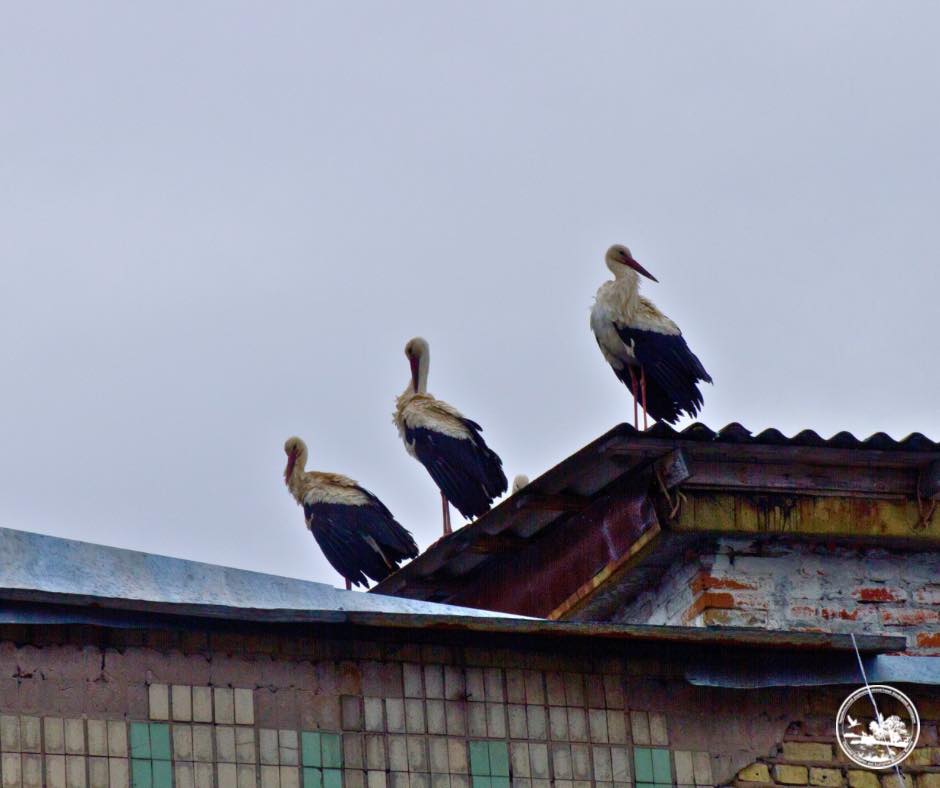
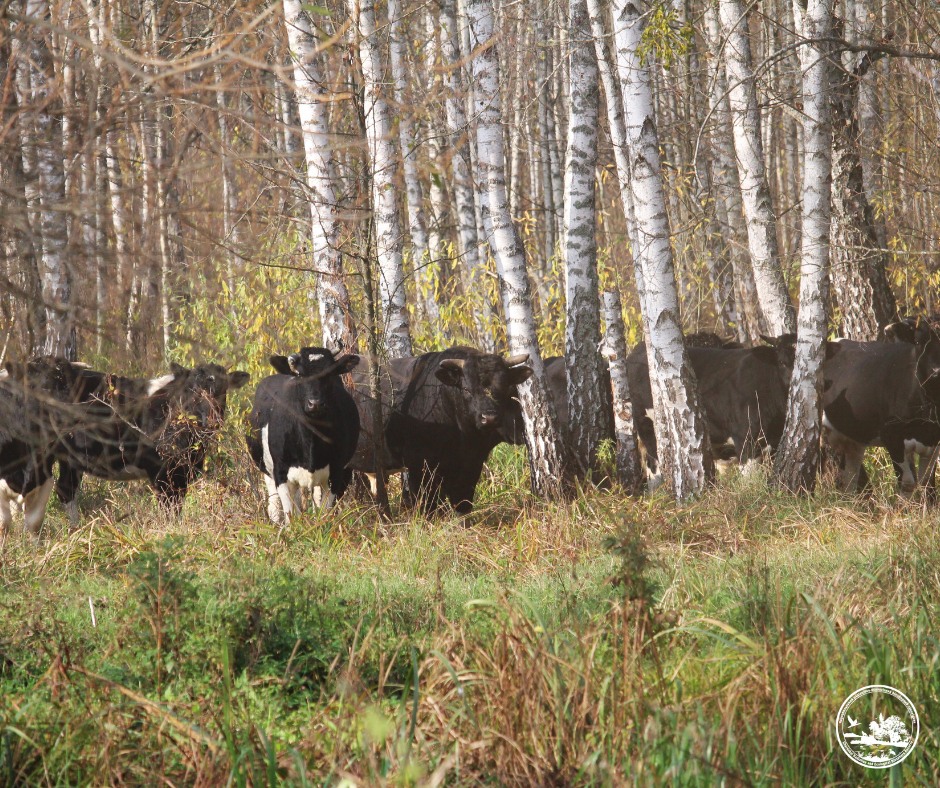
The exclusion zone has de facto become one of the largest nature reserves in Europe.
However, scientists remain divided on what recovery truly means here: some researchers argue that biodiversity has rebounded remarkably and that the absence of people outweighs the biological cost of radiation. But others document genetic mutations, reduced insect populations and reproductive problems in the most contaminated areas.
Chernobyl's wildlife: the real story isn't the presence of radiation - it's the absence of humans
40 years on from the disaster, why there are foxes, bears and bison again around Chernobyl
How Chernobyl has become an unexpected haven for wildlife
Both sides agree that Chornobyl is neither untouched wilderness nor ecological ruin,it's a damaged landscape where nature adapts under stress and recovers, but not without scars. Thus, the situation in the exclusion zone requires a stable scientific approach, with research and observation, which are challenging to maintain when both the exclusion zone itself and the CNPP are under constant threat due to the Russian war.
In February 2022, Russian forces crossed into the Chornobyl exclusion zone and one of the most radioactive environments in Europe suddenly became part of an active war zone:
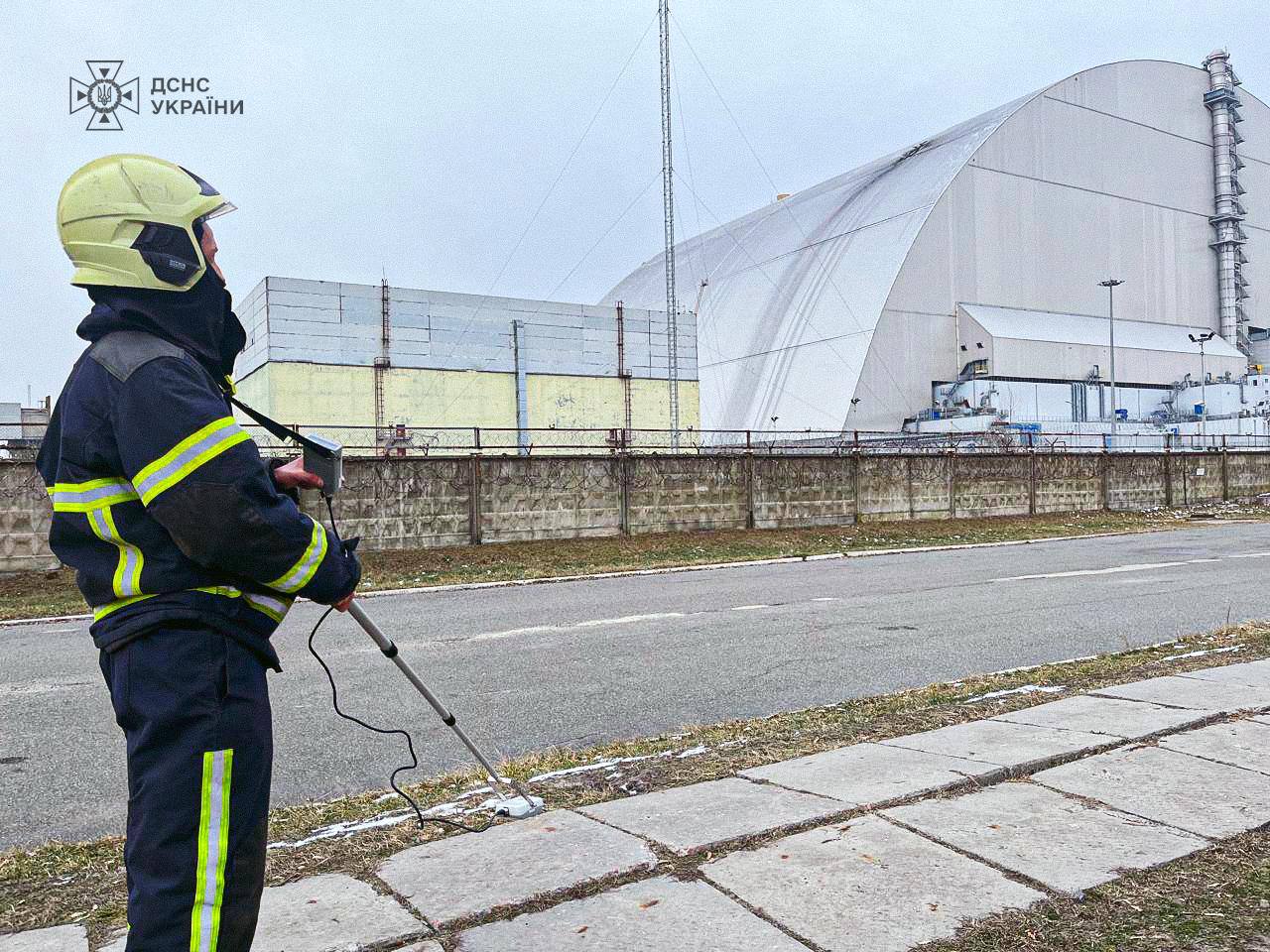
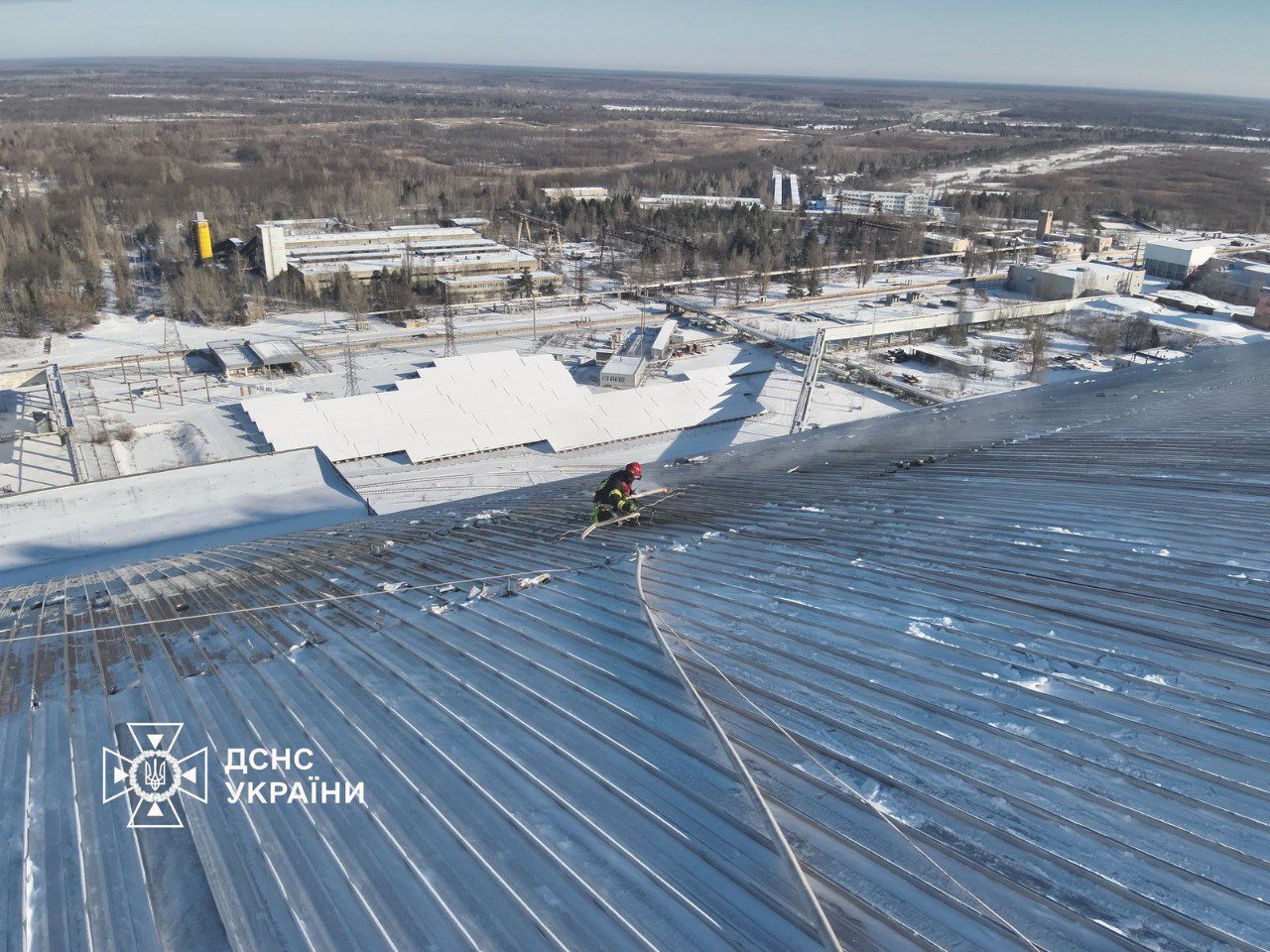
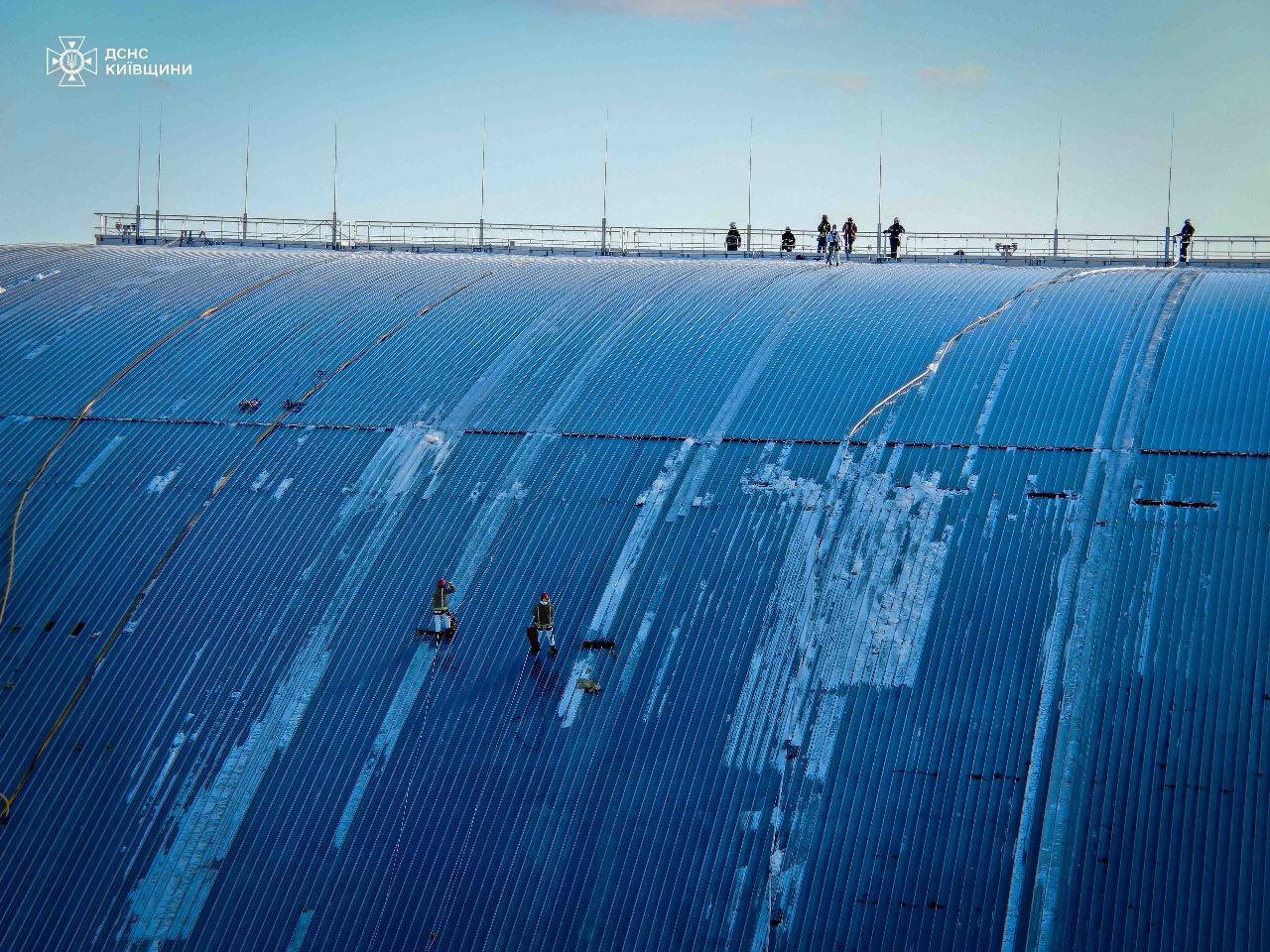
Today, Chornobyl is no longer a legacy of a past disaster, but also a reminder that nuclear sites can become exposed to active war and Russia has repeatedly used nuclear risk as part of its military pressure strategy. ( Russia Turns Nuclear Risk Into a Weapon. Again)
What happened in Chornobyl now echoes in other cases, including the Zaporizhzhia Nuclear Power Plant, where nuclear infrastructure has existed under military pressure for four years.
Chornobyl has long existed as more than a disaster site. For many, it became a frozen landscape,a place where the Soviet world remained physically preserved, but suspended between catastrophe and memory. Apartment blocks, schools and abandoned streets became a record of a vanished era.
Yet even this fragile stillness is disappearing. Time, illegal exploration and neglect have slowly altered the zone for years. Now Russia's war threatens it more directly: Russian military activity in the Red Forest disturbed contaminated soil, while damage to the New Safe Confinement raised new questions about long-term nuclear security.
For Ukraine, Chornobyl is pain:
lost lives, abandoned settlements and interrupted personal stories. For the world, it stands as a consequence of human recklessness - a disaster shaped by ambition, denial and disregard for the most fundamental value: human life.
And today, Chornobyl remains a reminder of how fragile the world becomes when unchecked power and an authoritarian system override responsibility.
This publication was compiled with the support of the International Renaissance Foundation. It's content is the exclusive responsibility of the authors and does not necessarily reflect the views of the International Renaissance Foundation.


