

How does it feel to live under a looming threat? How does it feel to constantly change your plans, pause or cancel them altogether for an unknown amount of time?
Since late August 2026, Russian attacks on Kyiv have intensified, they have changed in frequency and duration. Sometimes, it feels like there is always an air raid alert in place.
Kyiv is far from the frontline, but these days, living here increasingly feels like living in a frontline city.
We dive into the everyday life of a European capital with centuries of history that could proudly stand alongside Europe's biggest and most beautiful cities. Still, over these past four years, and now more than ever, its streets, architecture, and people have faced the ongoing threat of Russian strikes - a threat that no city in the 21st century should endure.
We focus on Kyiv's daily life, while recognising that Odesa, Kharkiv, Kherson, Zaporizhzhia, Dnipro, other regions, and Kyiv Oblast face similar or the same threats and hardships.
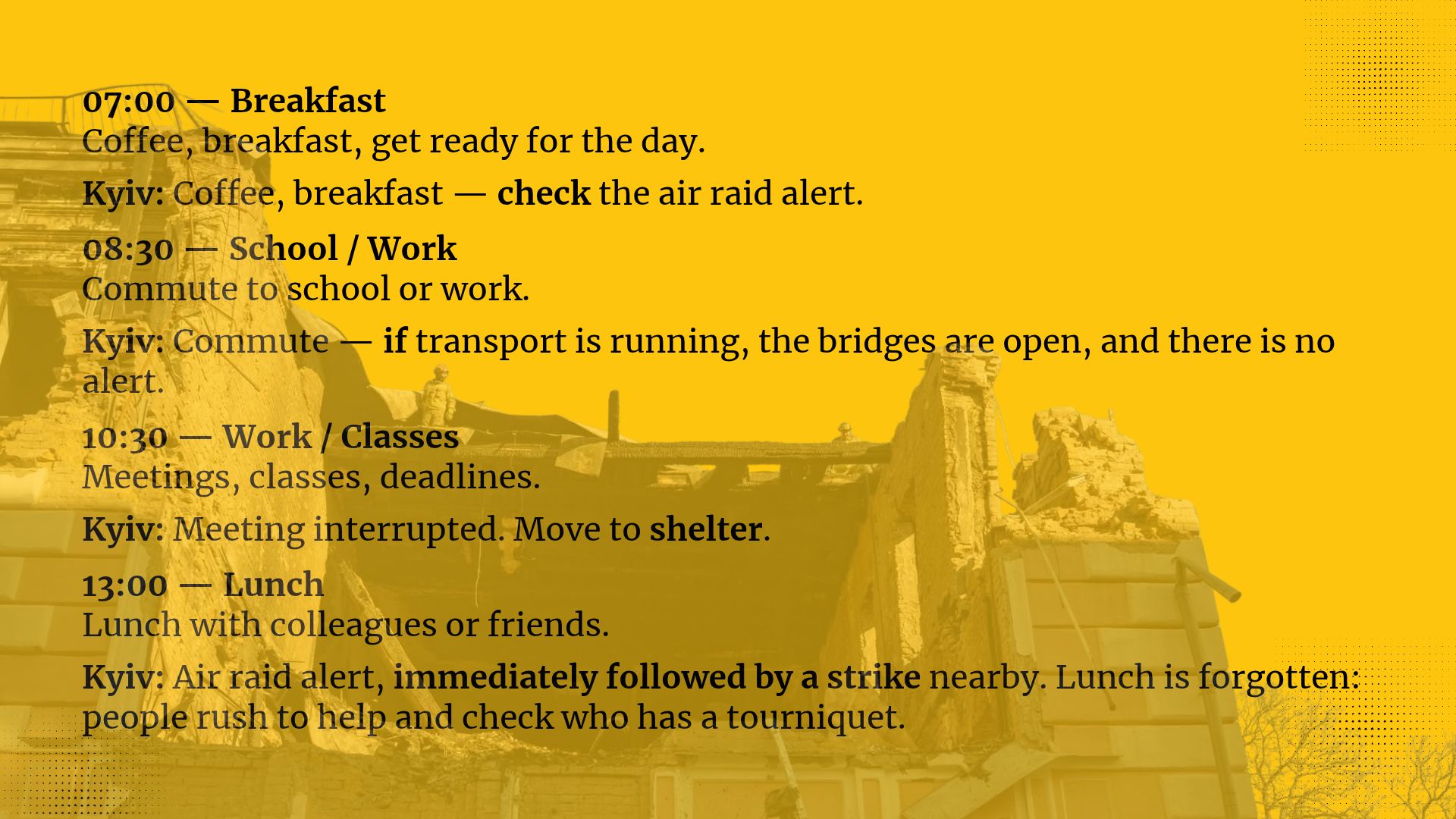
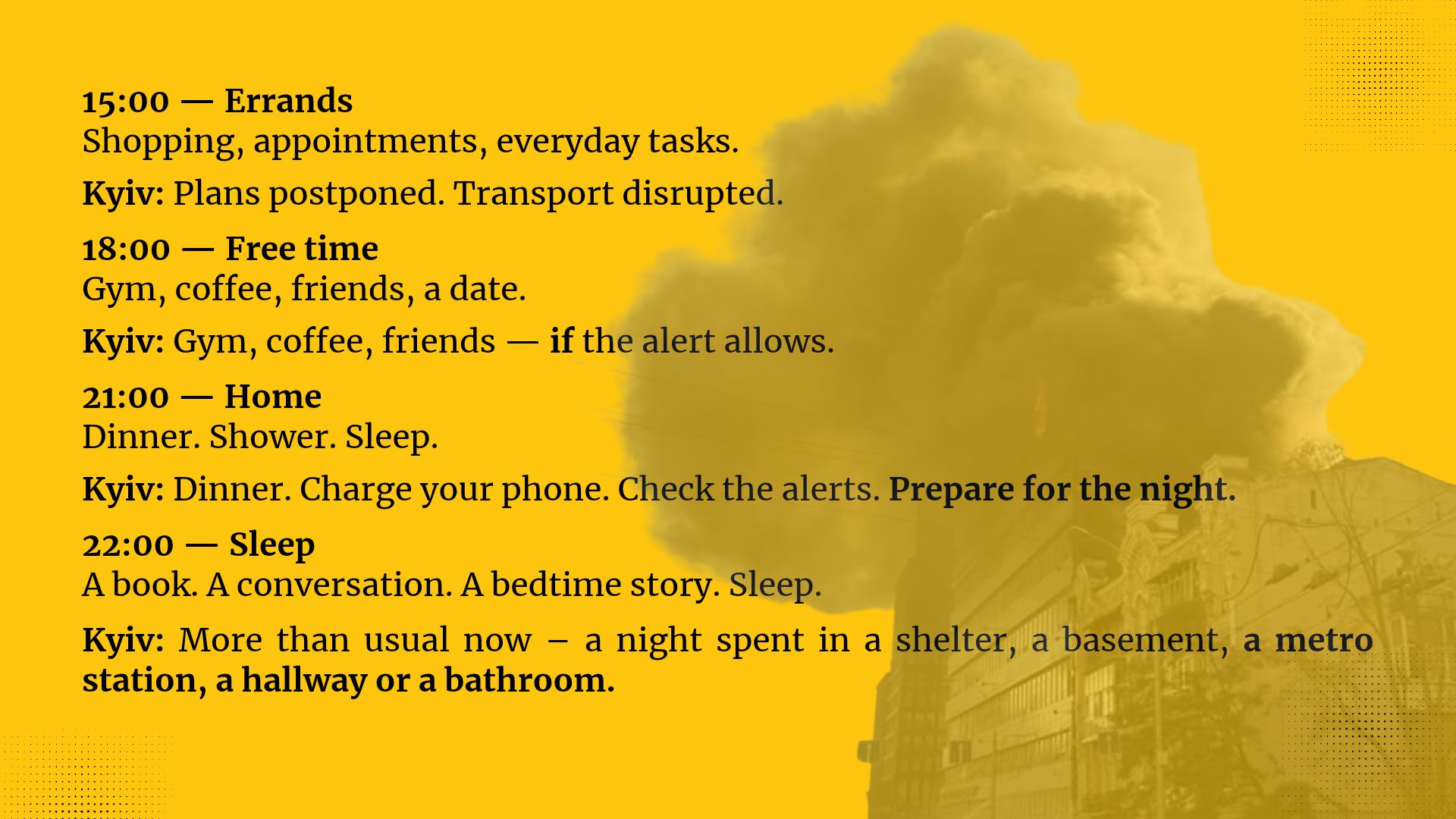
In most cities, each day follows a familiar rhythm: breakfast, school or work, errands, dinner, and home. In Ukraine's capital, the everyday rhythm consists of all things mentioned; however, its flow is shaped by air-raid alerts, time spent in shelters, disrupted transport, and plans put on hold.
The very image of an "ordinary day" is changing.
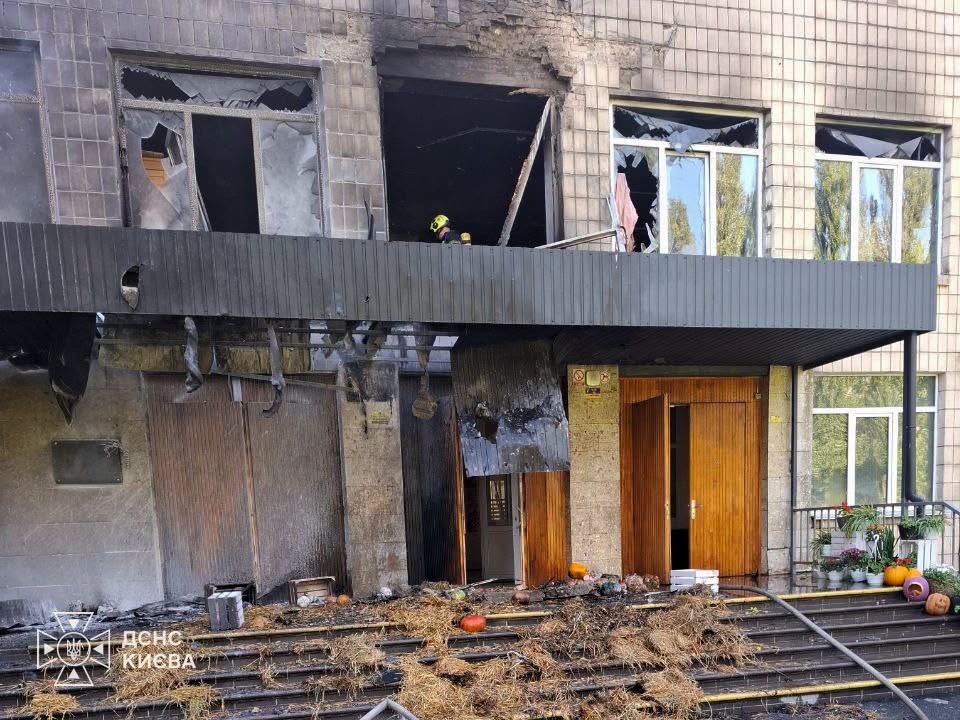
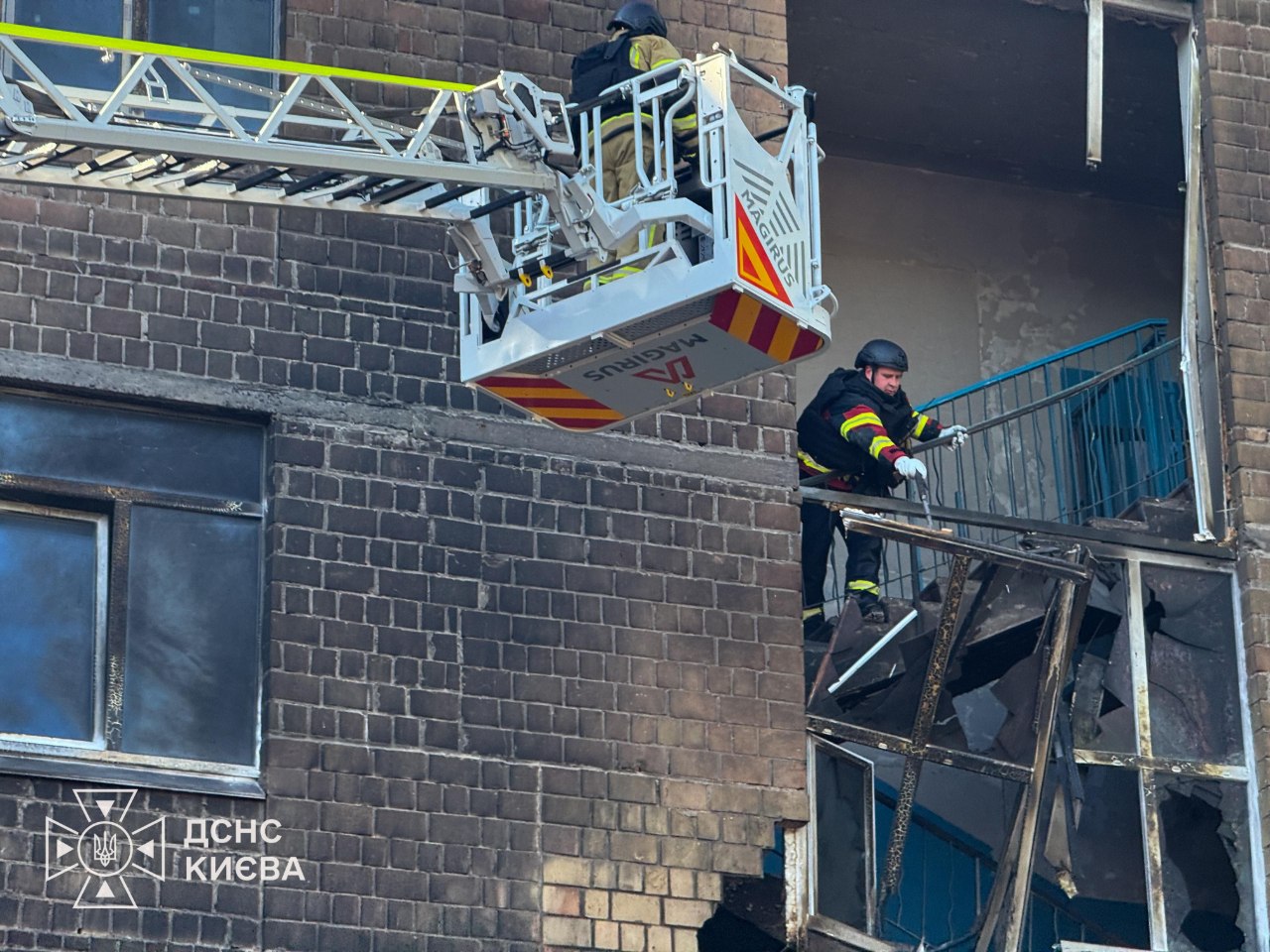
In Ukraine, the familiar rhythm of studying can be broken at any moment because of an air raid alert. Children leave their classrooms, go to shelters, wait, and then return, trying to catch up on the time they lost. Sometimes the shelter is safe enough to protect them, but not quiet or comfortable enough to learn. A two-hour interruption can also mean lost breaks, lunch, playtime, or time with friends as teachers try to make up missed lessons. Almost all Kyiv schools are trying to preserve the education process, using mixed or flexible formats, but in reality, this no longer means a normal school day.
People in Kyiv got used to the fact that their working schedules and plans can change at any moment. Shelters and underground parking have become an important part of the working environment.
If, during the first years of the war, both offline and online meetings were interrupted, stopped or cancelled, now almost everyone simply keeps working. If online, they turn off their camera or microphone and move to a corridor or a shared hallway between apartments. Those working offline move to a shelter or, at the very least, to a safer place. There is already a certain understanding that cancelling a meeting is not always worth it, because no one knows when there will be another opportunity to have a meeting without an air raid alert.
Companies release employees during prolonged attacks, move meetings and training online, adjust working hours, and organise physical safety and first-aid training. People are taught what to do during an attack, how to help themselves and their families, and where to go when the usual routines suddenly stop working.
Schools, businesses, organisations, and families are constantly adapting to conditions that can change within minutes.
The cost of an air raid alert can also be measured in money lost due to such pauses in work. According to Ukraine's Economy Minister Oleksandr Kravchenko, every hour in which businesses are forced to pause or stop costs the Ukrainian economy an estimated $45 million.
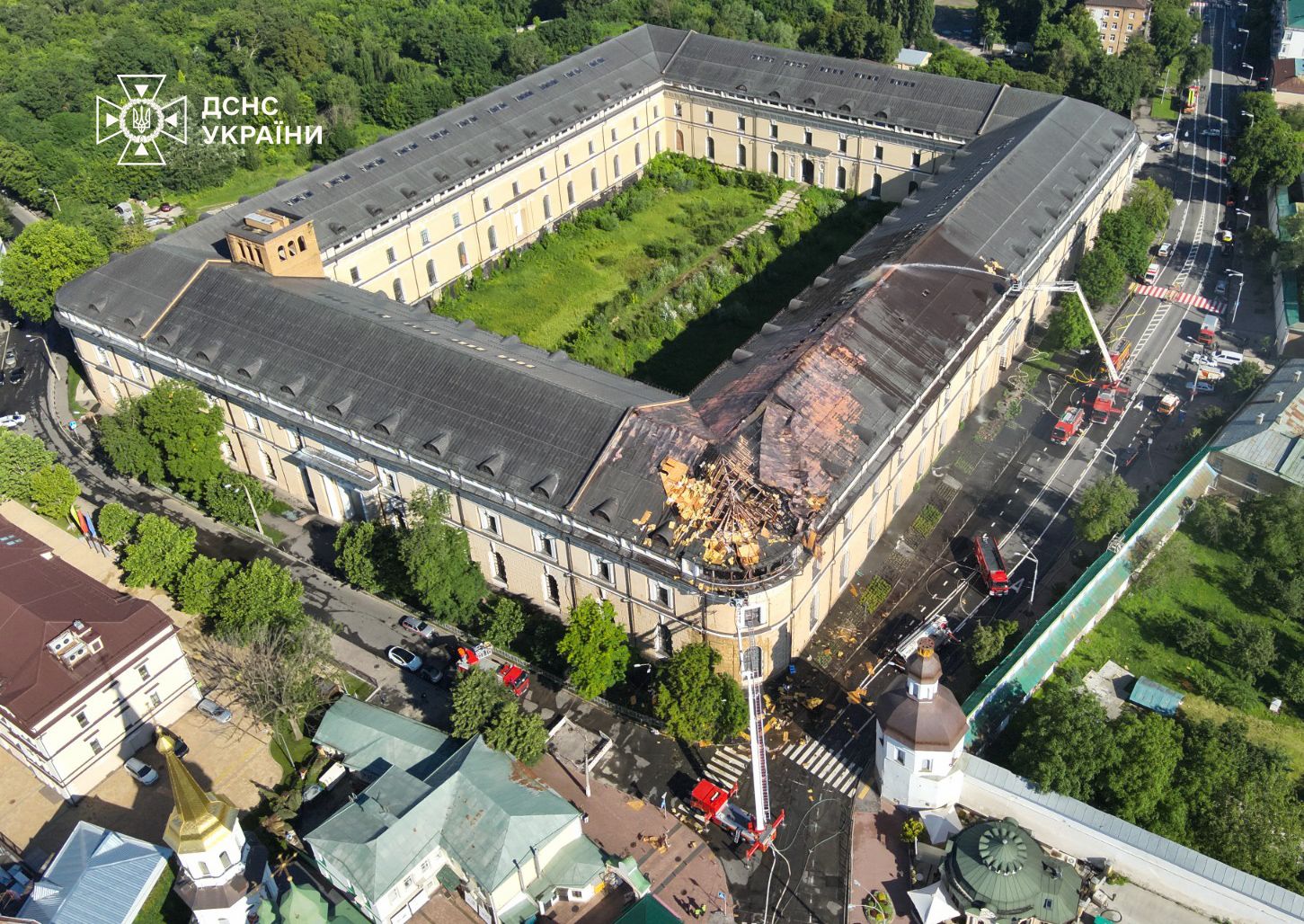
In Ukraine, especially this summer, cultural objects became another target of Russian attacks. Moscow also keeps targeting Ukrainian books as part of a systematic war on memory. As a result, some events must be postponed or cancelled, while others continue to adapt their programmes and safety procedures. For the people attending a concert, a film or a theatre performance, that means accepting that the evening may unfold differently than planned.


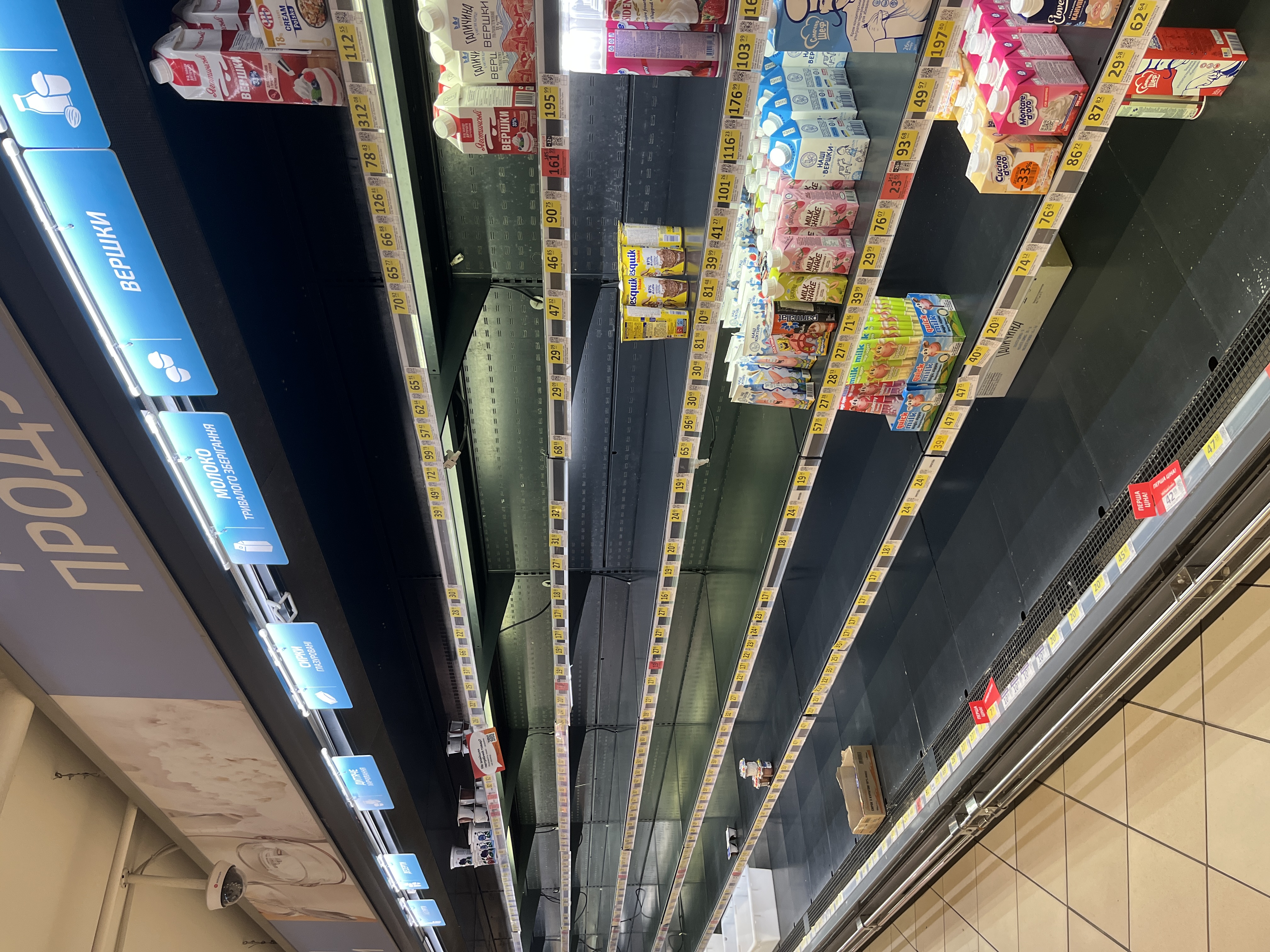
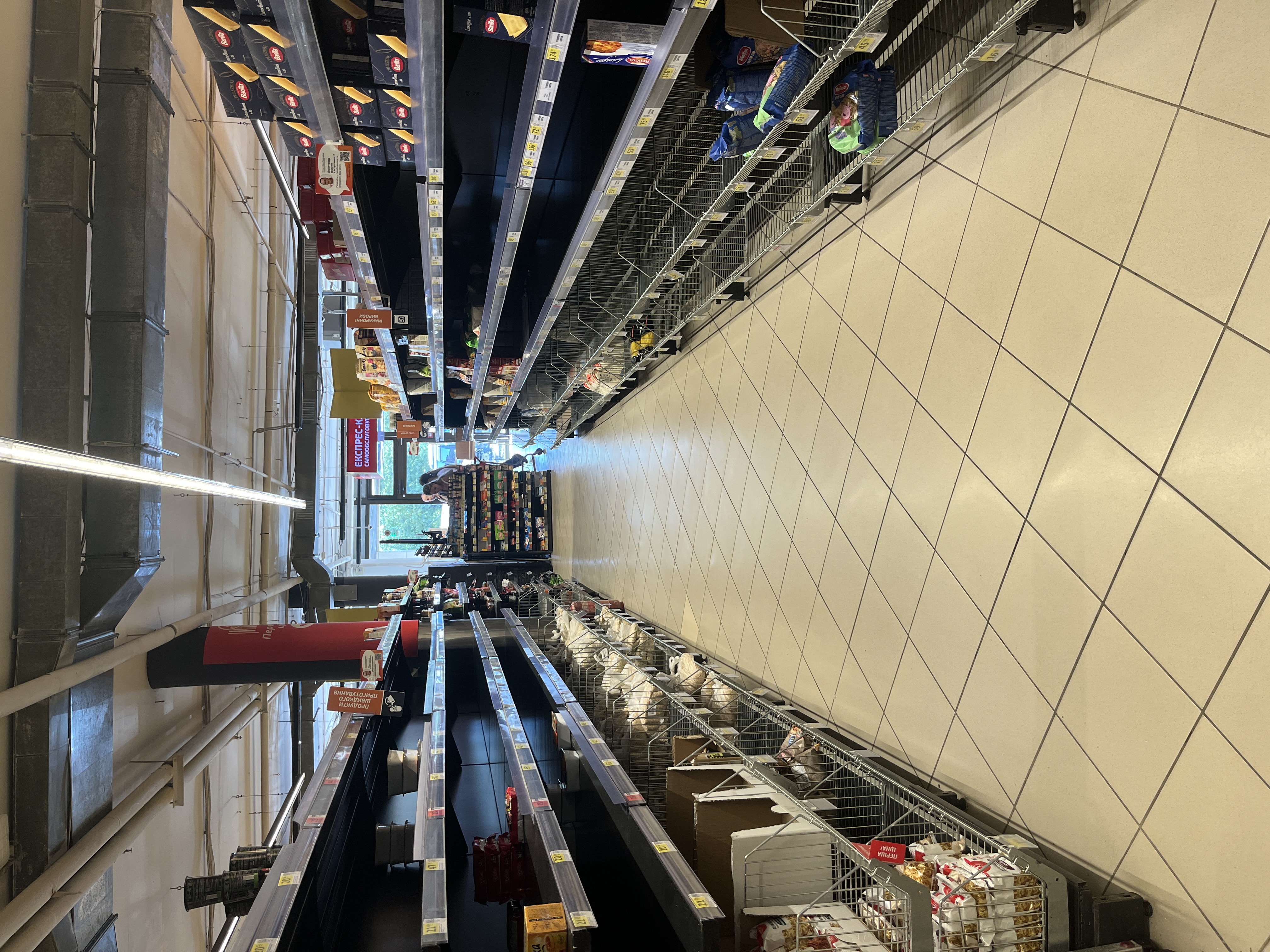
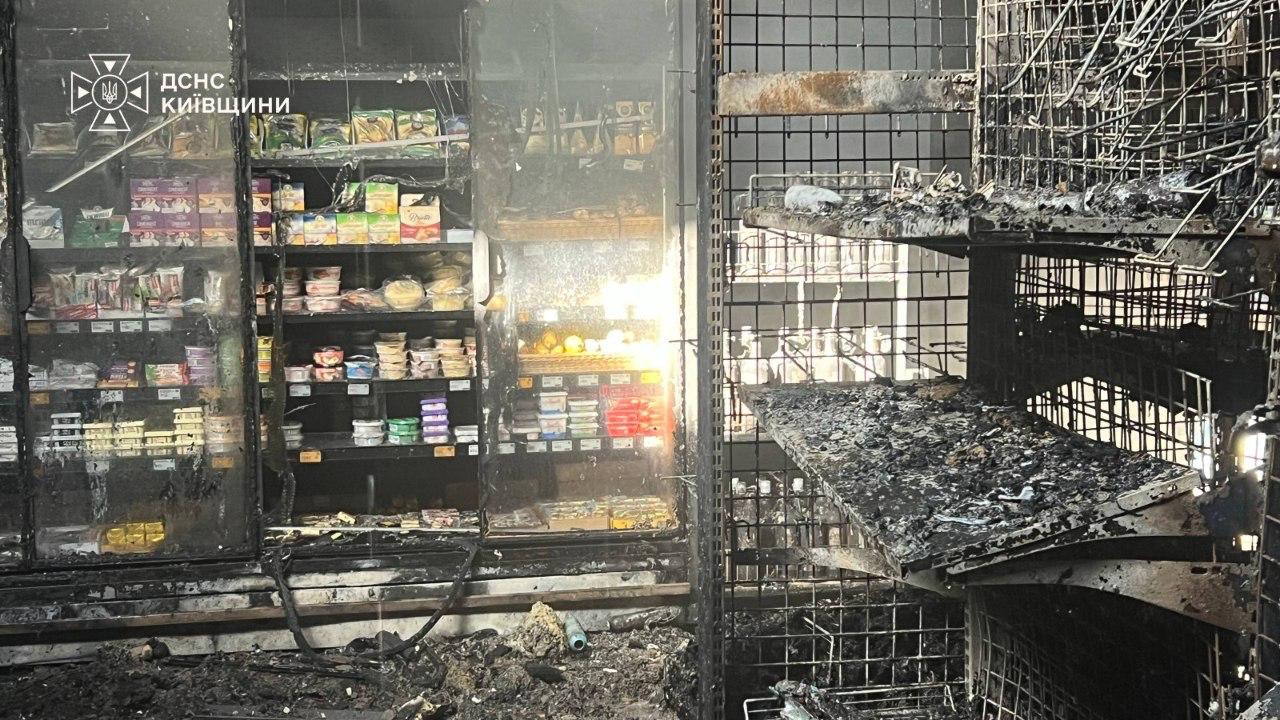
The same is true about shopping - clothes, groceries, medicines, materials for building, renovating or decorating homes, all these must be found in the shortest time possible since sometimes periods without alerts are limited to 20, 30, 40 minutes.
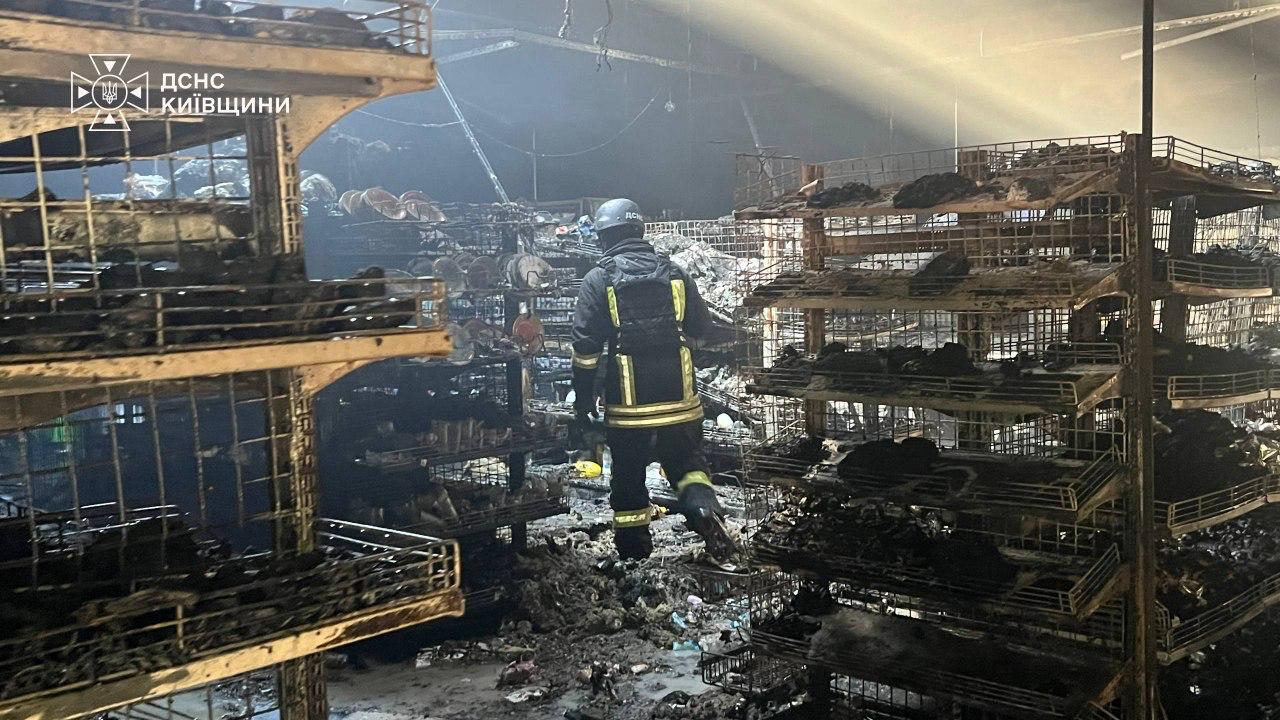
After attacks on warehouses, logistics centres, roads and other infrastructure, some shops may have empty or half-empty shelves, not because food has disappeared from Ukraine, but because getting it to Kyiv has become more difficult or takes longer. Ukrainian authorities stress that this should not be confused with famine or a critical food shortage.
But for an ordinary Kyiv residents, the change can be much simpler: the product they come to buy may not be there that day, or it may cost more than it did yesterday.
The issue with medicine is even worse:
a regular supply can be delayed, or it may suddenly be difficult to find. For people who rely on specific medicines, this is not simply an inconvenience or a change in shopping habits.
In September, gas stations in Kyiv became direct targets of attacks. Some of them, within a matter of days. Some of the strikes killed or injured people and damaged the stations themselves.
An ordinary errand, filling up the car, becomes part of wartime planning. People aren't just buying fuel, they have to buy it while they still have the chance, because a gas station may be damaged, closed, or simply inaccessible.
Kyiv is divided by the Dnipro River, and crossing it is part of the daily routine for thousands of people. But in recent days, even this part of everyday life has become increasingly uncertain.
After a series of Russian attacks, traffic restrictions were in place on several bridges. For Kyiv residents, this means that a journey that normally takes a certain amount of time may suddenly require another route, another bus, another bridge or may even become impossible altogether.
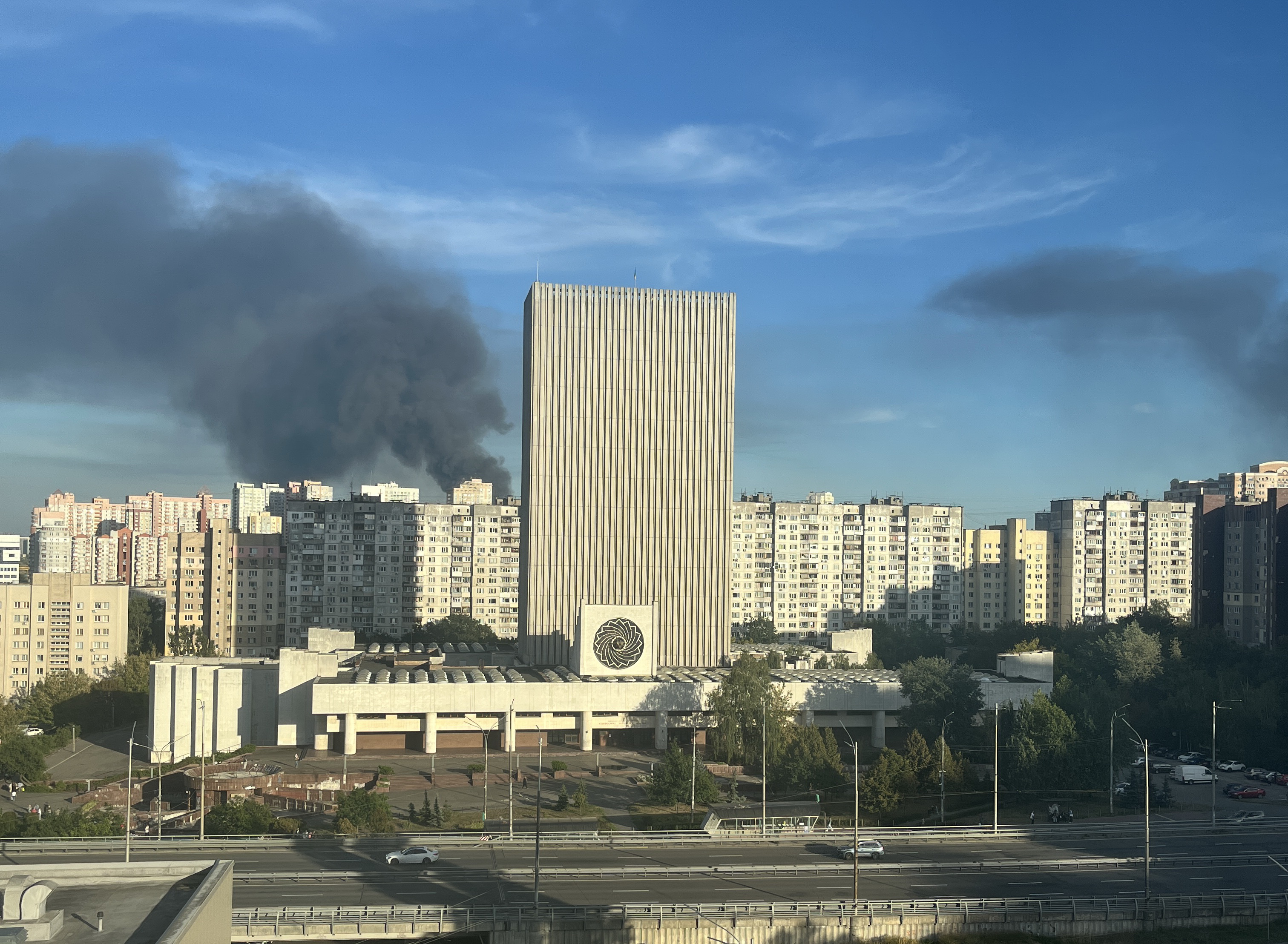
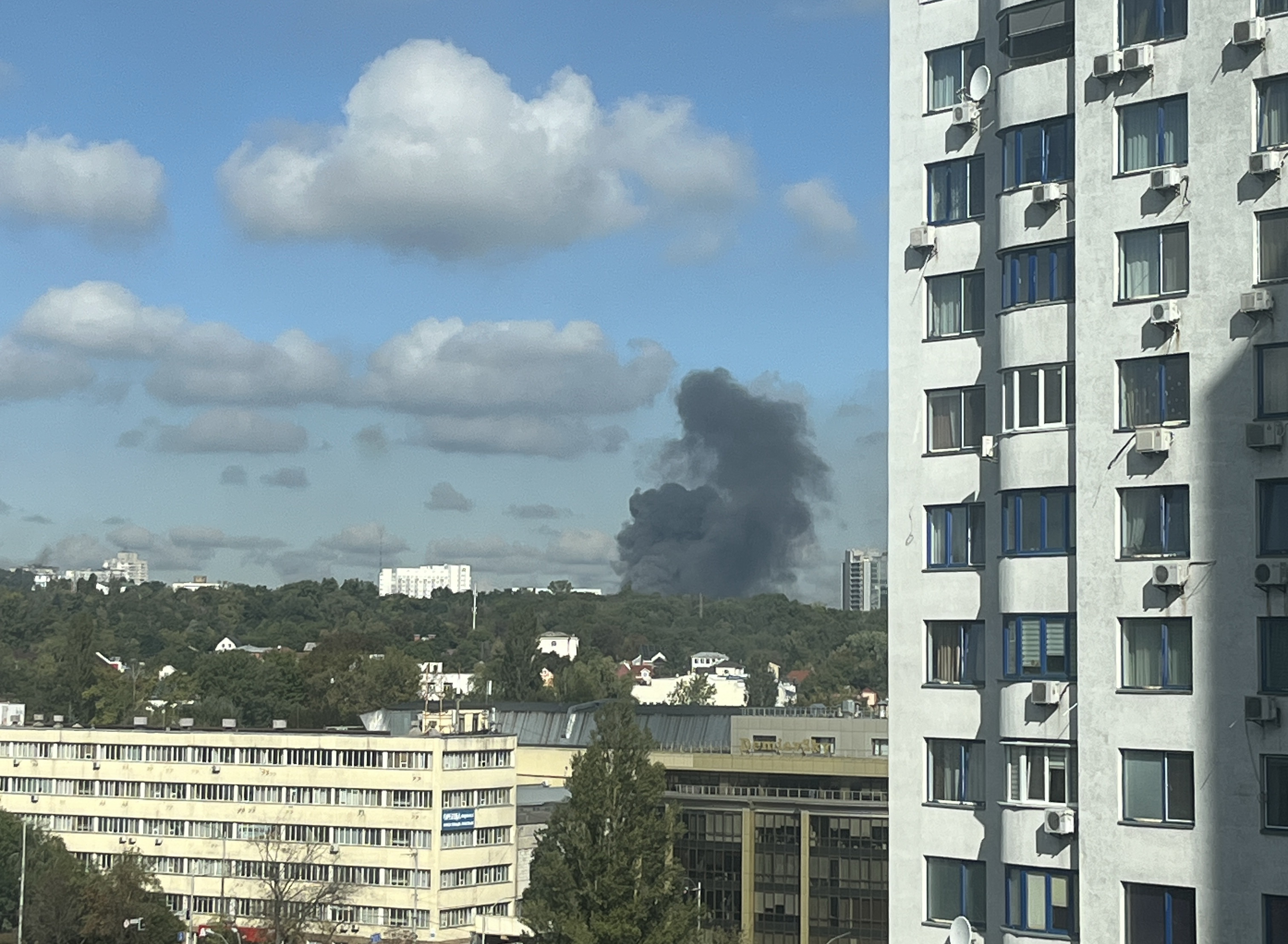
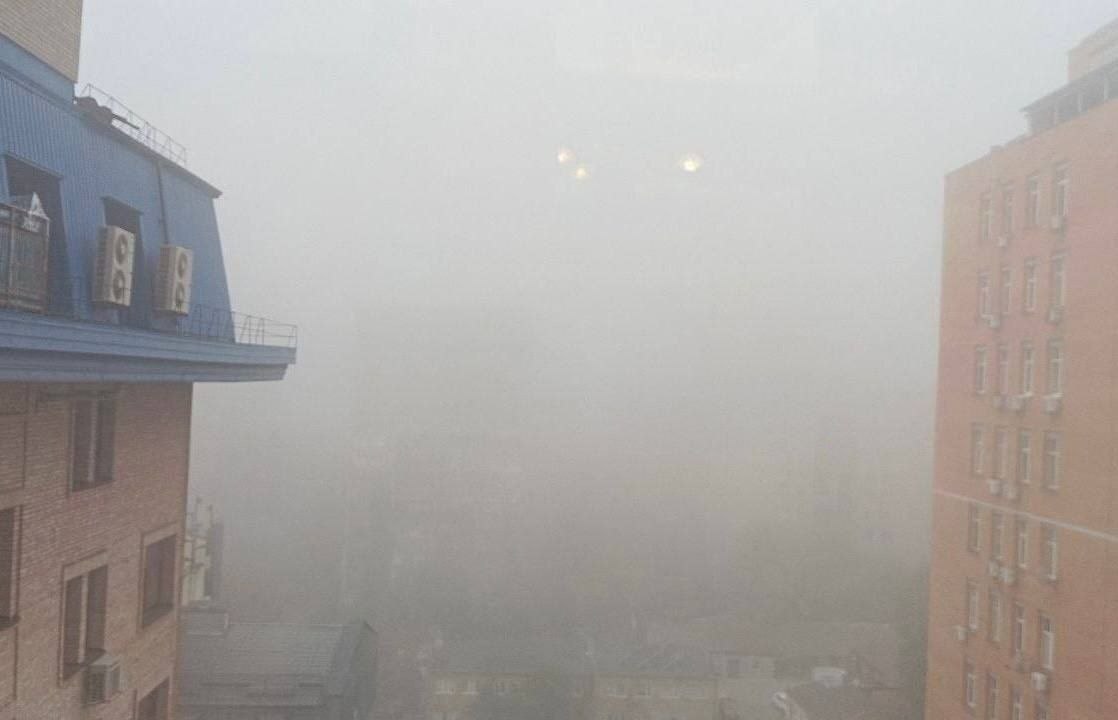
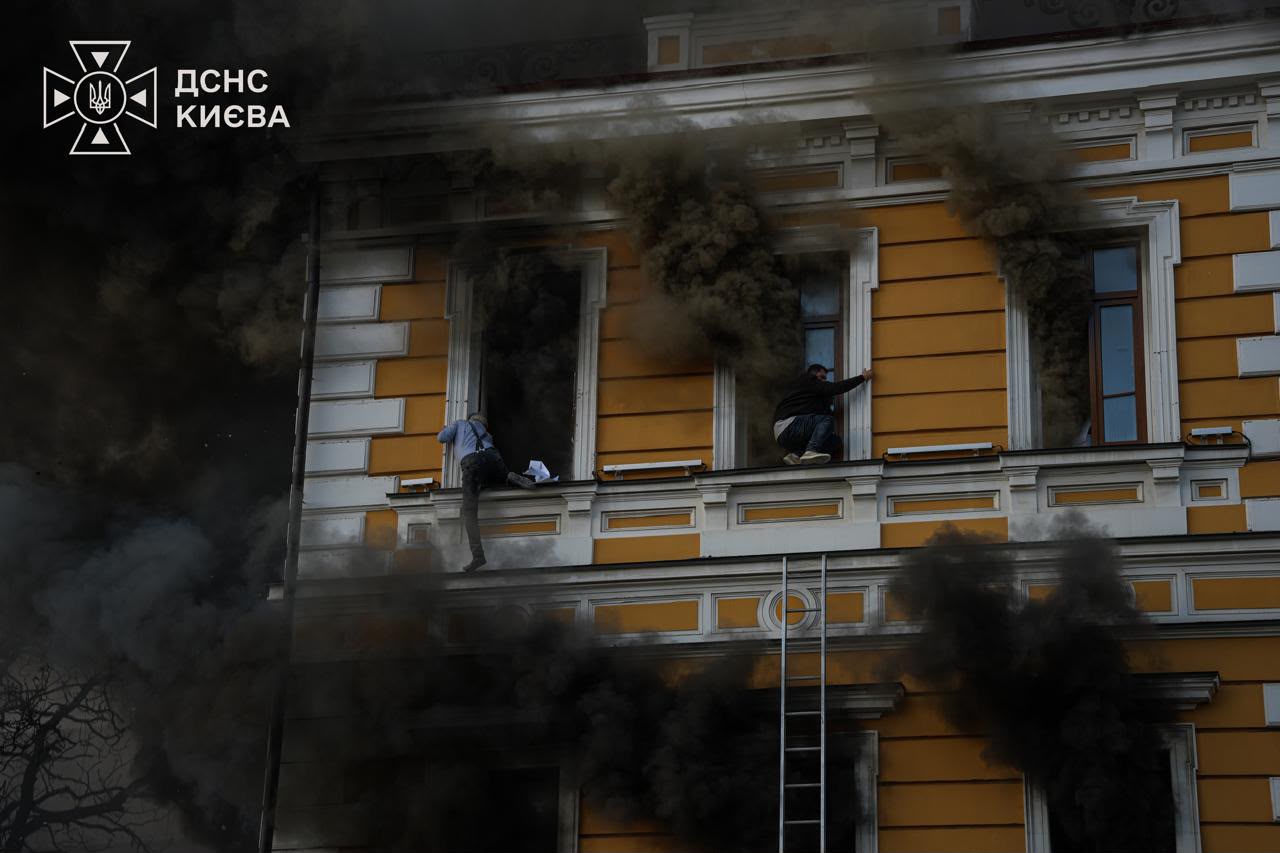
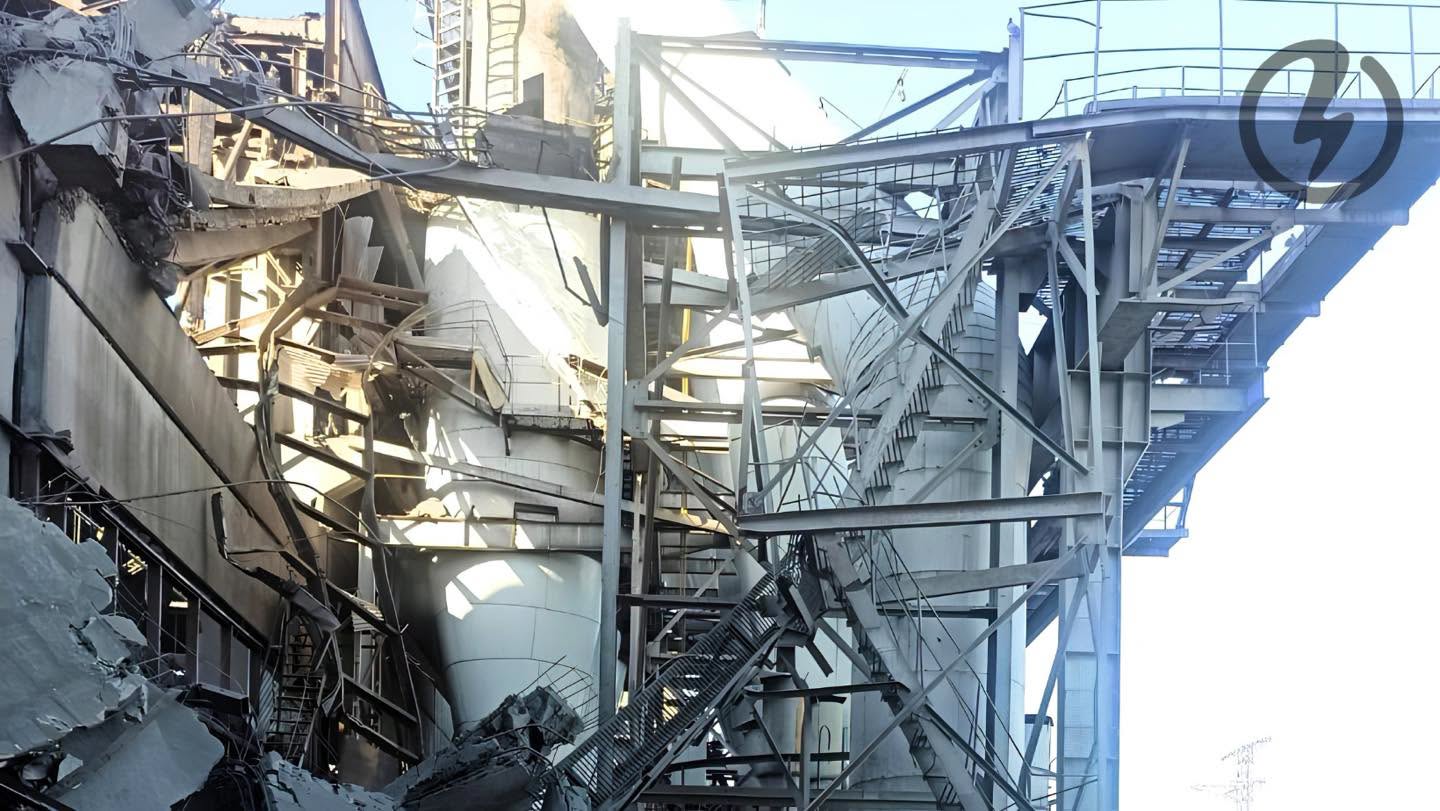
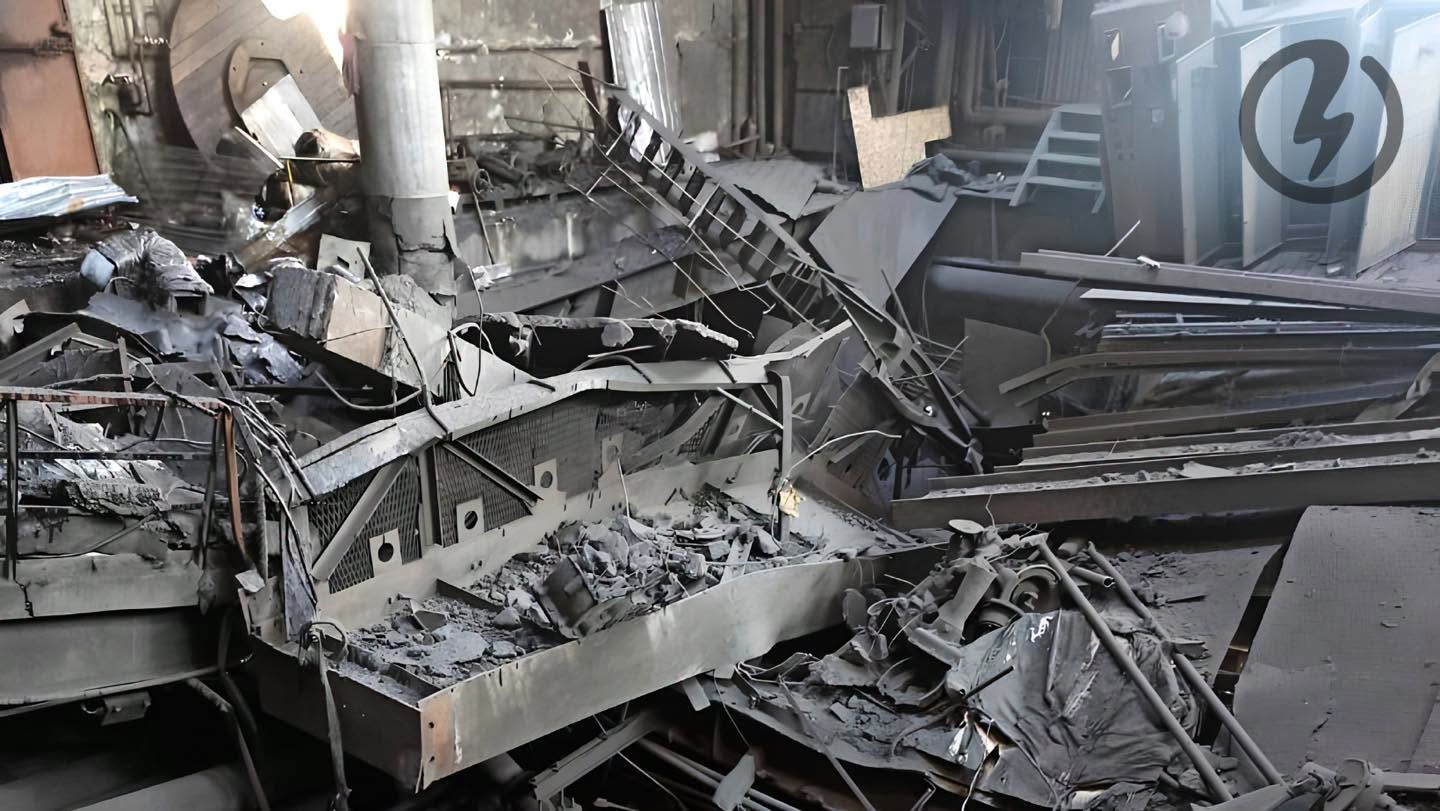
Every time the city slowly recovers after a Russian attack, there is a particular picture of the aftermath: smoke from fires, dust from damaged and shattered buildings, pollution caused by strikes on industrial sites. All of it hangs in the air. While people on the other side of a screen may only see this picture, residents and visitors feel it in full.
Explosions, destruction and damage affect not only people and the urban environment. Animals also react strongly to explosions, air defence systems and sirens. They hide, run away and can be injured, just as people. Explosions, fires, noise and environmental changes can affect the behaviour and habitats of wild animals.
In the 21st century throughout the world, mental health has become an important part of how we talk about well-being, alongside physical health. But what does mental health mean in Kyiv or in Ukraine
as a whole, when constant stress and the threat of attack have become part of everyday life? Adults, children and older people live with a constant feeling of being on alert that can be difficult to switch off: keeping your phone nearby, checking air raid alerts, reacting to every loud sound, because sometimes strikes happen before an air raid alert is announced.
Even when there is no air raid alert, there is still anxiety.
Sleep, a sign of well-being and a foundation of a healthy lifestyle, has also become uncertain. At any moment, it can be interrupted.
On top of the ordinary decisions people make every day, there are now countless others:
Should I go to a shelter or stay in my bed and get some sleep? Should I take my children away? Should I go for a walk? Should I go to a party? Should I send my children to study in a shelter, or take them to their grandparents out of the city for an indefinite period? It creates an endless stream of decisions.
And the uncertainty and anxiety around these decisions, whether we make them or choose not to make them, create fear:
fear for ourselves, our children, our parents and loved ones; fear of simply going outside or staying at home.
And yet, people often no longer react to danger as they might have during the first months of the full-scale war. Many responses have become automatic. An air raid alert sounds: take the phone, take the documents, take what you need, move to the corridor, or go to a shelter. What other countries teach as civil defence, what to do during an air raid, an attack, or a war, became an everyday routine for millions of Ukrainians.
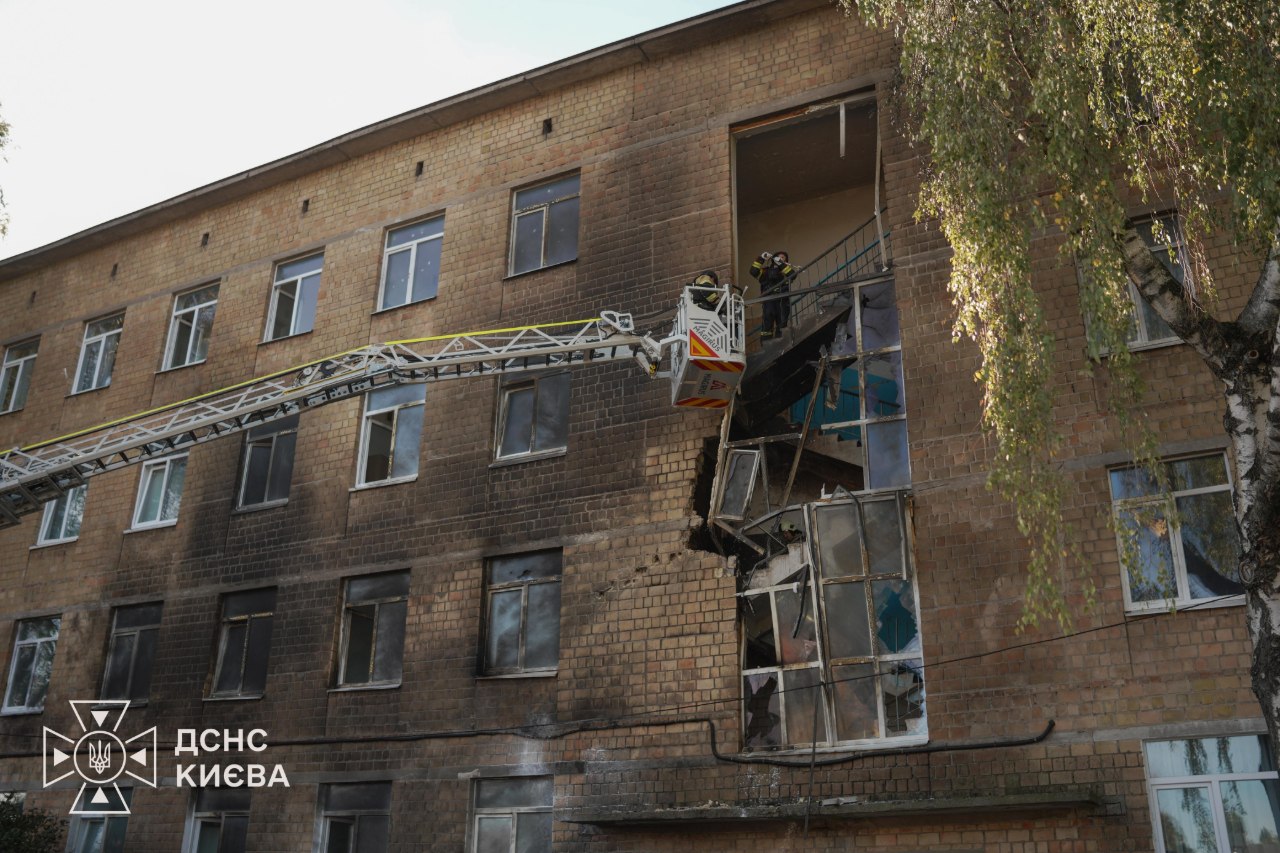
For many people, whether they still live there or moved somewhere else, Kyiv is a city of childhood, education and youth, a city where they grew up, studied, fell in love, built careers and made memories. Now parts of the city are becoming difficult to recognise because of the scale of the destruction: shattered windows, damaged or destroyed buildings, facades scarred by attacks, and windows covered with wooden boards.
Even for those far away geographically, there is a particular kind of suffering in seeing a city you love damaged and destroyed.
Kyiv is no longer living only from one day to the next. As attacks intensify, people are already preparing for winter and for the possibility that last winter's issues could repeat this year, and the cold season could make everyday life even harder.
The answer to whether to stay or leave Kyiv is really: can I live through another winter here?
That means thinking months ahead about things that once seemed guaranteed: heat, electricity, water, transport, work, school and access to a shelter. Every family has to think about its own winter plan.
Where will we go if the electricity is out for a long time? Where can we work or study? What will the children need? How will we get home if transport stops? What do we need to have at home if heating, water or power are disrupted?
It is what happens when a society has to live with war for years, this is a picture Ukraine is trying to prevent from happening to citizens in other countries.
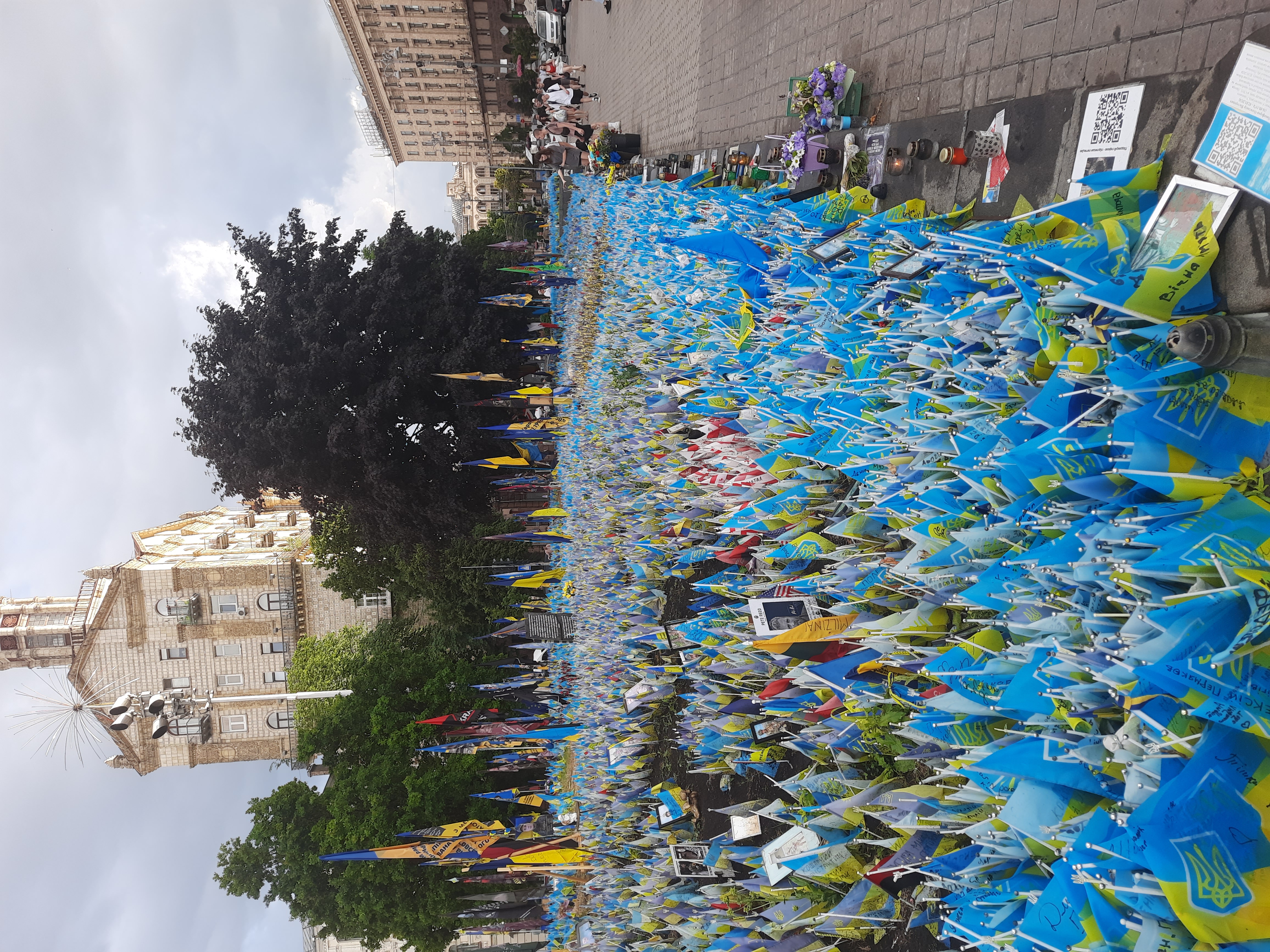

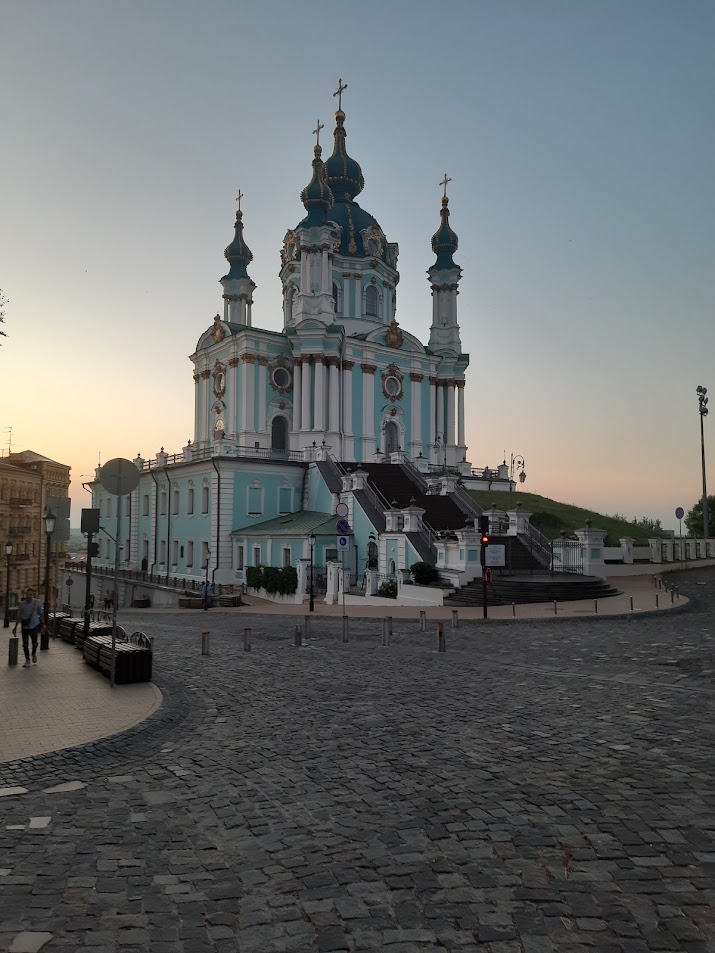

Usually, we encounter horror, war, and disaster through fiction. People watch thrillers and horror films, read books about dystopian worlds, cruel villains and nearly impossible stories of survival, and then they turn them off and return to their lives. In Kyiv and across Ukraine, you cannot switch off the screen, close the book, or at least skip some chapters.
Ukrainians must live through it: a city under attack, sirens and drones, destruction and survival, villains pursuing cruel plans of imperial ambitions...
There are also things that seem almost impossible to write into the same script: everyday routines, love, favourite jobs, loved ones, children, pets, culture, and humour. Humour, especially, as Ukrainians joke about what they are living through, sometimes precisely because a joke is one way to make an unbearable reality feel human again.
However, where there is tragedy, fear, and exhaustion, as in every story, there are heroes too:
ordinary people who again and again become something greater, a better version of themselves, simply by doing what needs to be done. And simply because of that:


